
Material catalog
Research peptide catalog
Explore RGP Labs research materials and their documentation status. Use Shop Now to open the order form.
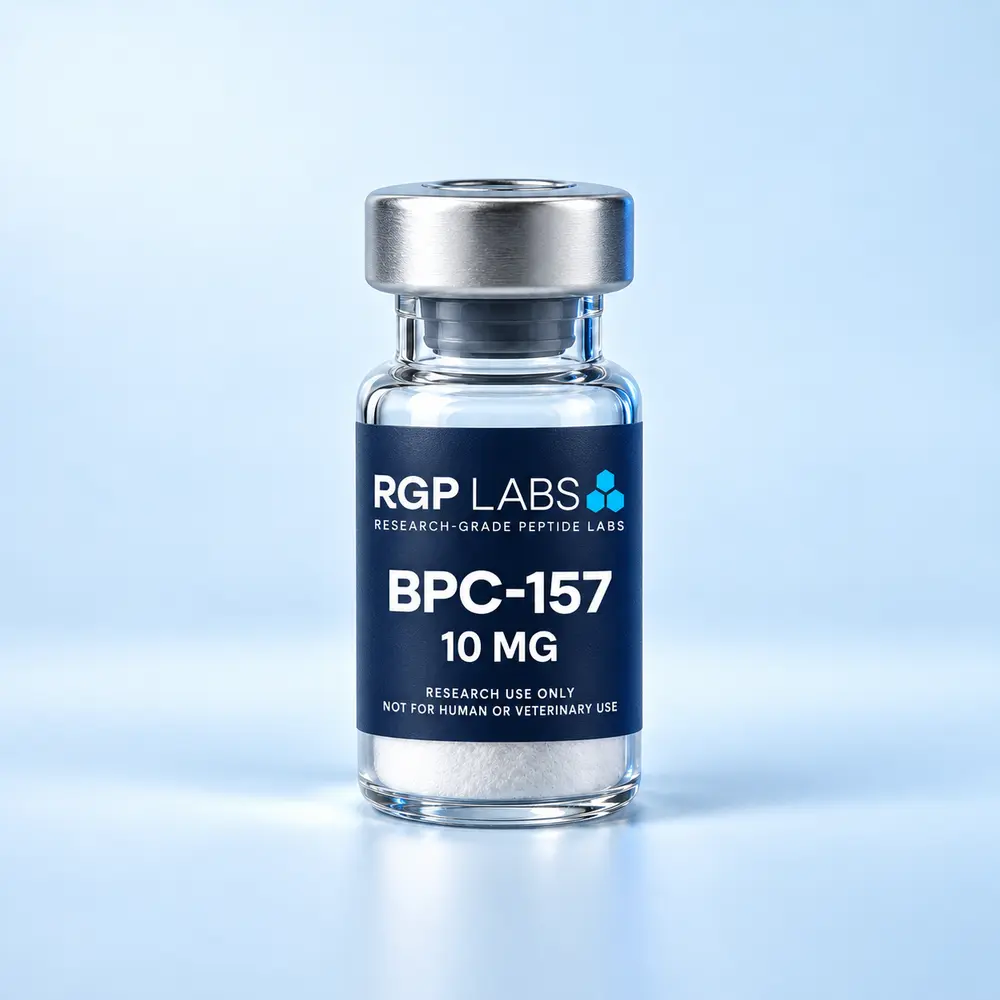
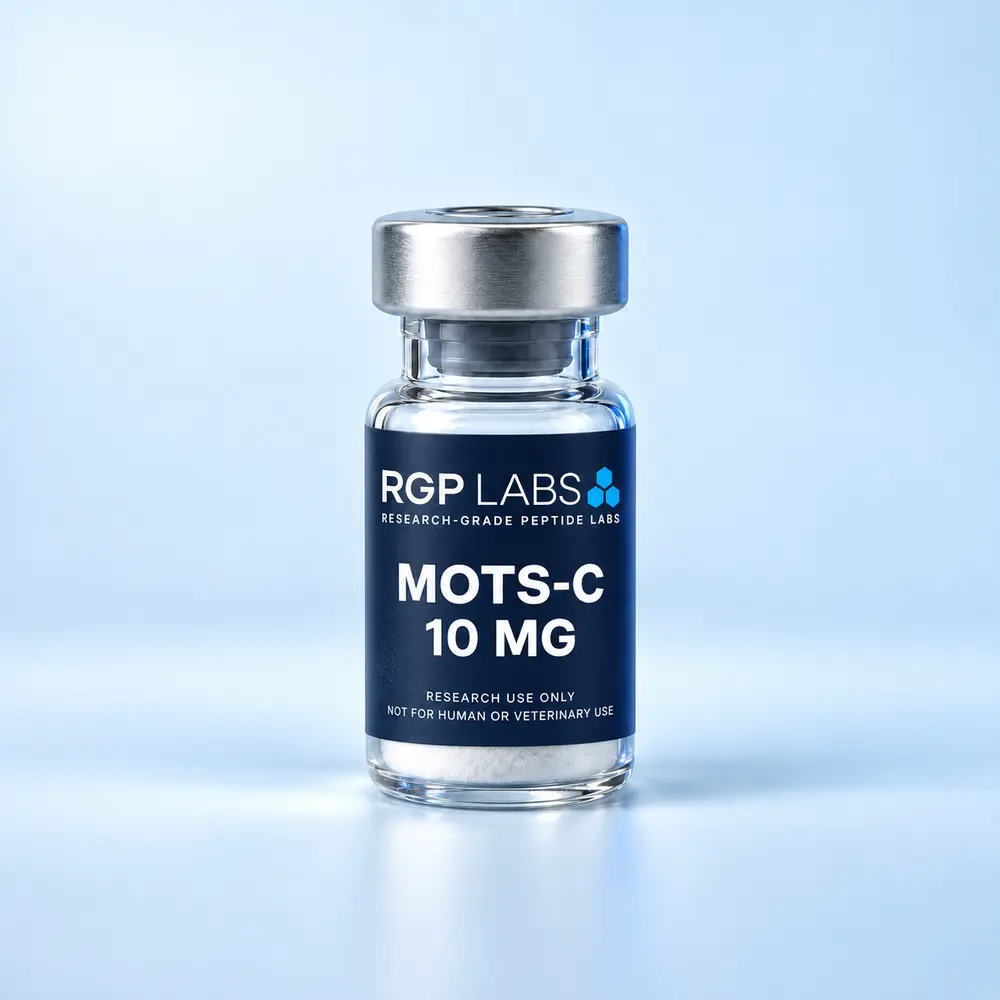
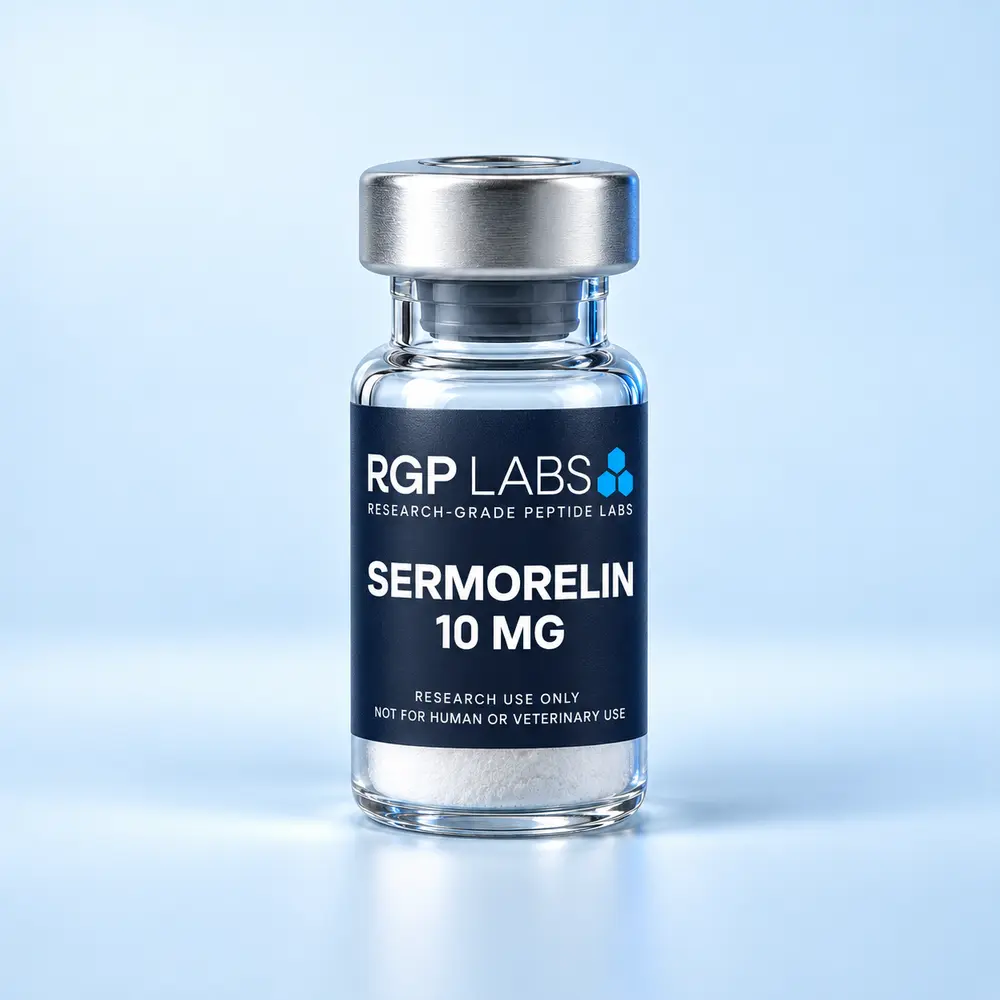
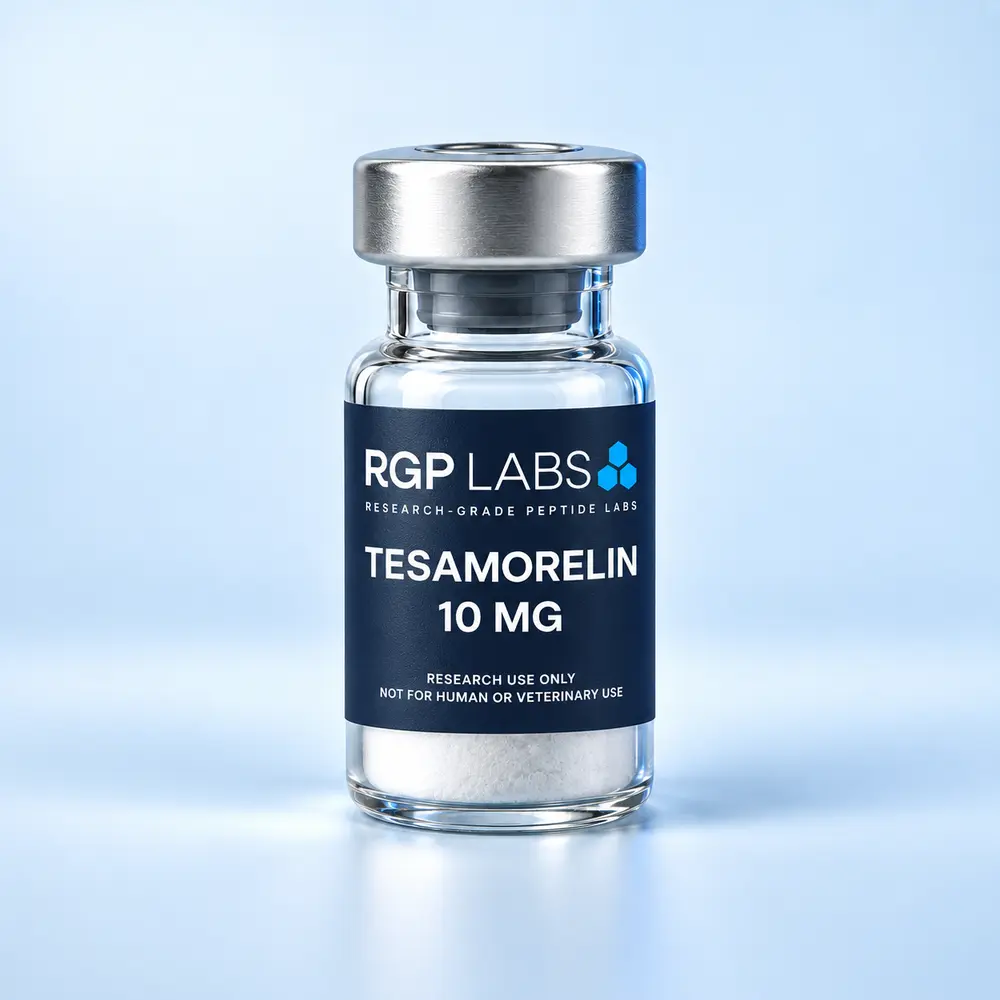
How to evaluate a research peptide catalog
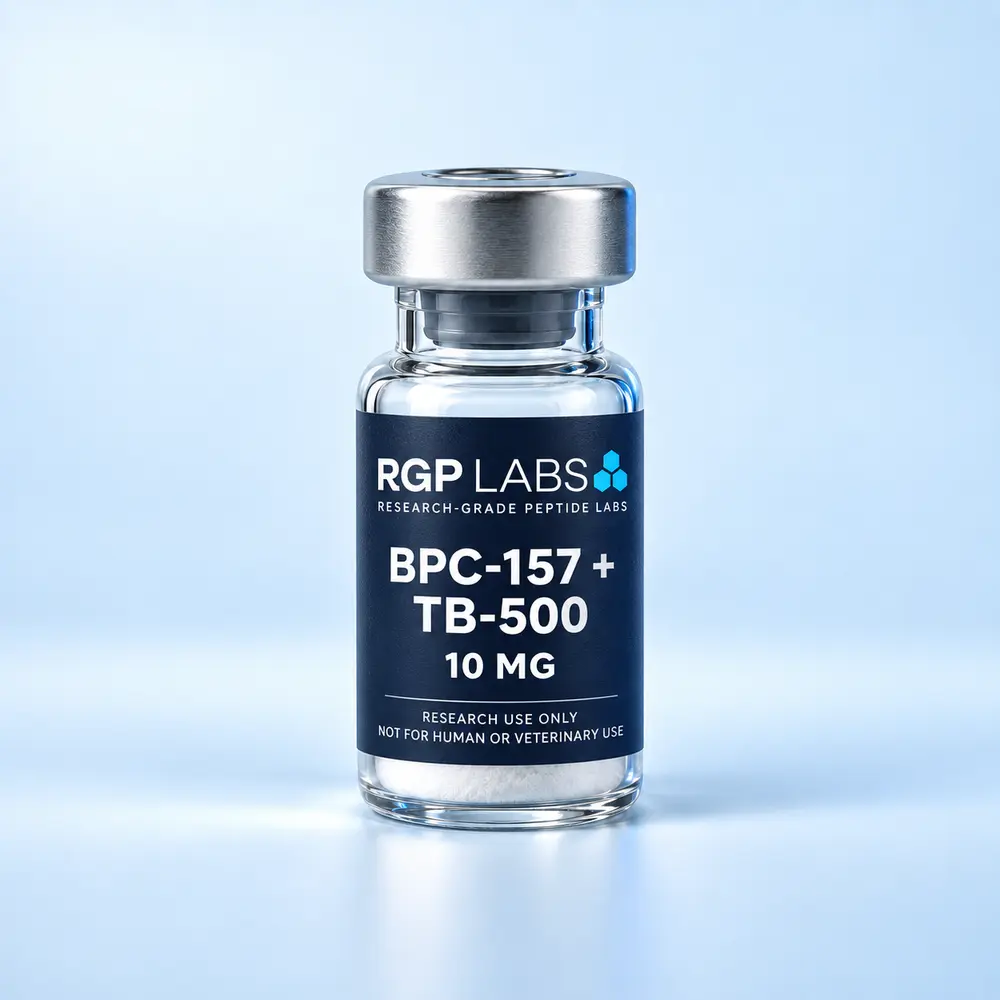
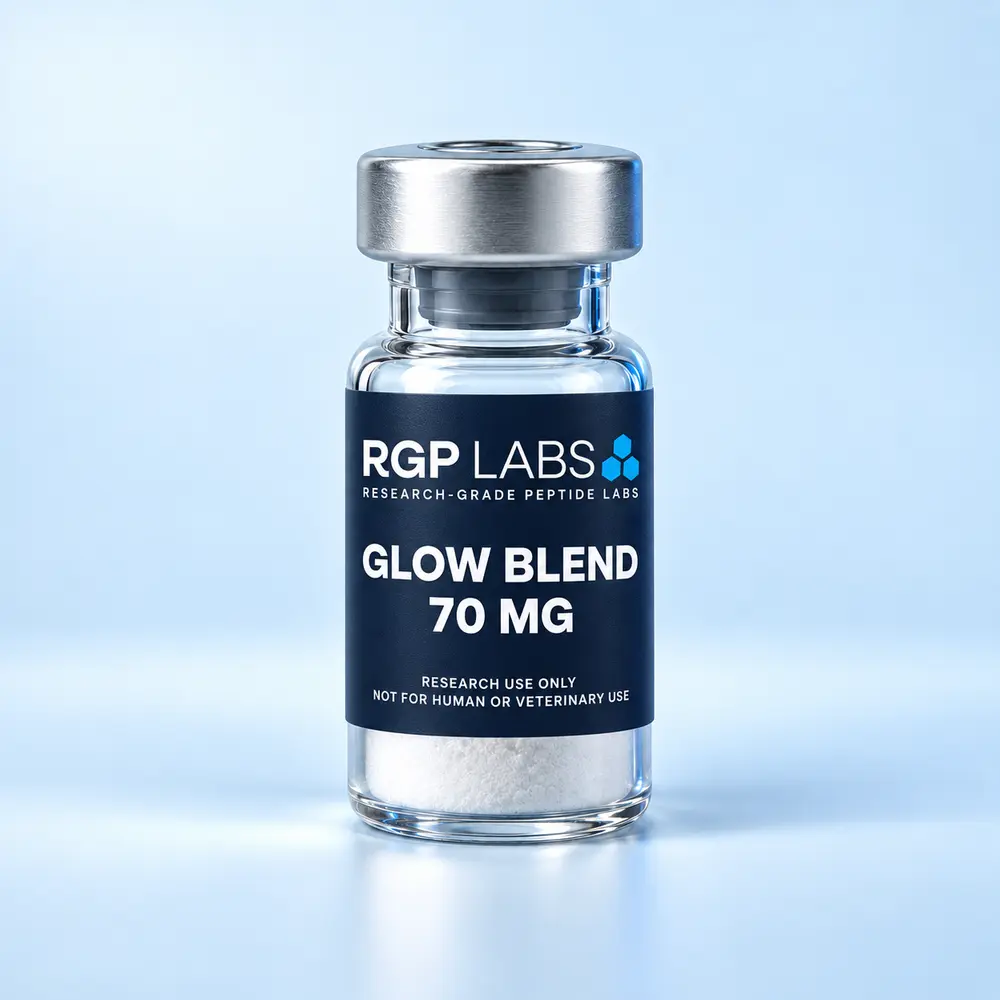
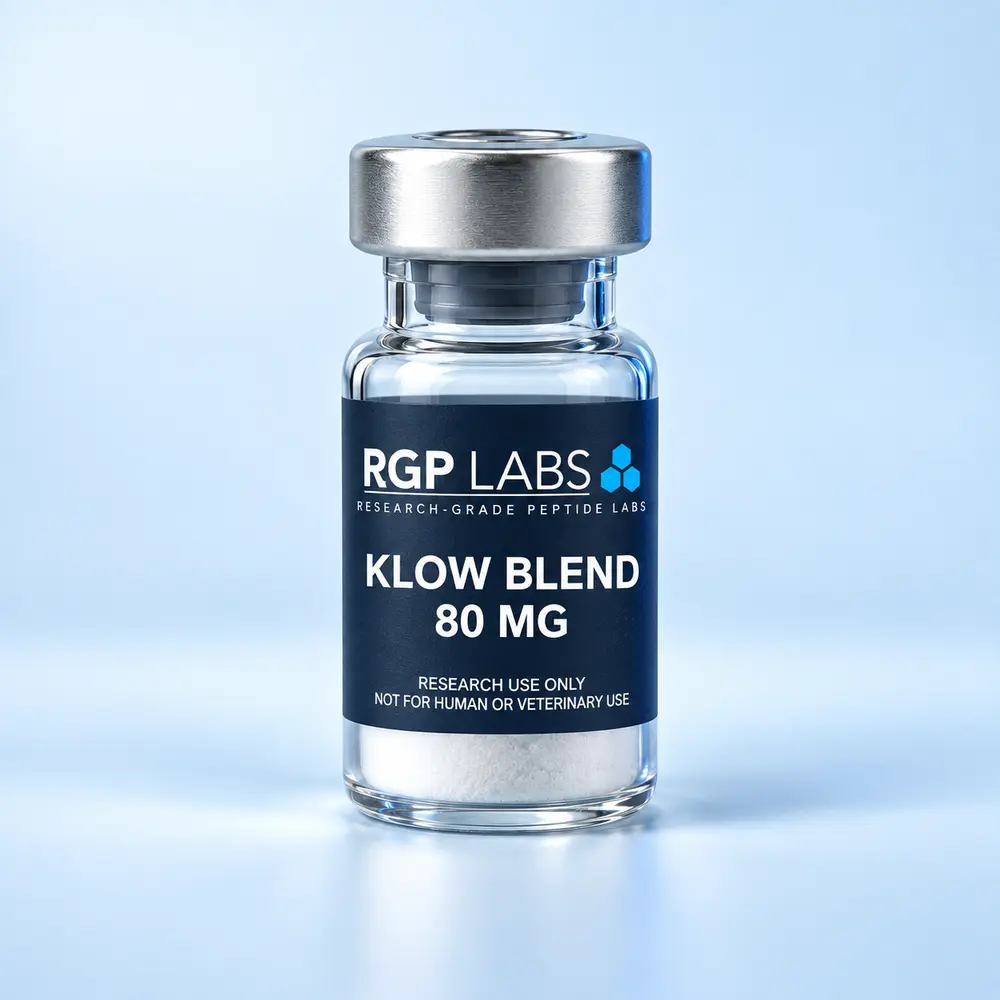
A useful research peptide catalog does more than name a compound and list a vial size. It should help a qualified buyer understand exactly what kind of material is being offered, the form in which it is supplied, the limitations on its use, and the documentation associated with the relevant lot. RGP Labs structures each listing around those practical questions. Product pages identify the compound, general presentation, available demonstration strengths, intended laboratory context, and the route to supporting records.
The most important distinction is between a catalog description and a verified result. A product description explains what the listing is intended to represent. A Certificate of Analysis reports what an identified laboratory observed when it tested a specific sample under stated conditions. Those are not interchangeable. Researchers should use the lot number on the received vial to identify the applicable record, then evaluate the reported methods, dates, sample identifiers, and results.
Documentation should follow the lot
Peptide materials are produced and tested in batches. A generic certificate that is not connected to the inventory in hand cannot provide meaningful traceability. Request a report for the exact lot under review and check the material name, lot identifier, test date, laboratory, method, and reported result. If a certificate has expired, cannot be authenticated, or does not match the inventory, it should not be presented as evidence for that lot.
Chromatographic purity and molecular identity answer different questions. High-performance liquid chromatography may describe the relative composition detected under a specified method, while mass analysis may support the identity of the molecular species observed. Neither number should be interpreted without the method, sample preparation context, and complete report. RGP Labs therefore avoids reducing quality to a decorative percentage on a product card.
Choose materials around the study design
Before requesting a material, researchers should define the analytical objective, required controls, acceptable form, quantity, storage environment, and documentation threshold. The compound name alone is not enough to determine suitability. Differences in salt form, counterion, moisture, fill amount, excipients, packaging, and analytical method can affect whether a material fits a protocol. The study owner remains responsible for confirming that the selected material and accompanying evidence are appropriate for the intended experiment.
RGP Labs product pages intentionally do not provide dosing, administration, reconstitution for personal use, or therapeutic guidance. These listings are not medical advice and are not a substitute for an approved drug label, institutional protocol, or qualified scientific review. The materials are positioned only for controlled in-vitro, analytical, or educational laboratory work where permitted.
What “research use only” means in this catalog
Research use only is a limitation, not a marketing phrase. Materials shown here are not medicines, dietary supplements, food ingredients, cosmetics, or veterinary products. They are not intended to diagnose, treat, cure, prevent, or mitigate disease. They are not offered for injection, ingestion, topical application, personal experimentation, or use in humans or animals. A purchaser is expected to be qualified to receive, store, document, and use laboratory research materials in accordance with applicable institutional rules and law.
That boundary also shapes the content on this site. Pages focus on identity, analytical documentation, traceability, handling records, and procurement questions. They do not promise biological outcomes or translate preclinical findings into consumer claims. The Research Library, quality testing guide, and research-use-only policy explain those limitations.
What to check before submitting an inquiry
- Confirm the exact compound name and the form required by the study.
- Identify the desired amount and whether multiple vials must come from the same lot.
- Review the current certificate status rather than relying on a generic specification.
- Confirm that your organization can receive and handle research-use-only materials.
- Record the lot number at receipt and retain the matching documentation with the study file.
Shop Now opens the RGP Labs order form, where you can review current options and submit a request. Confirm material specifications, availability, fulfillment terms, and the applicable lot documentation before ordering.